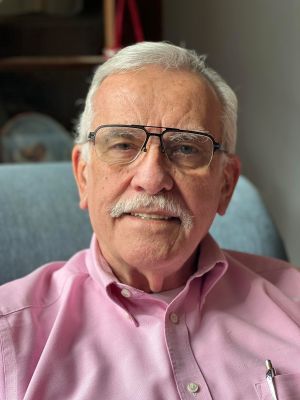
The following stories contains a brief description of my life as it lead up to my addiction to alcohol. Two very surprising things happened to me in this period of recovery. Two miracles! See if you can find them.
Our lives are filled with miracles. The way we live our lives may have something to do with how miracles appear. I have often wondered where my life would have led me if I had made different decisions. I do know that I made many mistakes in my life and that without those mistakes I could not be the person I am today. That person is someone I have come to like. But I also know that without my faith in God, I could not have survived the life I had chosen before the miracles began. Here is a bit of my story.
I think this story actually begins way back in 1963. I had just graduated from high school and was looking for a job. I had no plans to go to college as that was not the way things happened in my family. Don’t get me wrong, I had a great family. It’s just that none of them had ever gone to college so why would I be any different?
I have fond memories of sitting around with my best friend Bob, Marv, and Jim, and our dads. This was day when High Fidelity or Hi-Fi was new and every dad I knew wanted his hi-fi set to be the biggest, the best, and most of all, the loudest. Both Bob’s dad and mine built their own Hi-Fi sets. They built their own tuners and assembled their speakers into wooden cabinets. It was during these times when they were working together, that we would find ourselves in the company of our dads.
The conversations often turned to what was going to happen after high school. How would we go about finding jobs? What was involved in seeking employment? How were we to act? My dad was a wholesale milkman, Bob’s dad was an auto mechanic. All of my other friends dads were blue collar workers too. Here is an example of the advice we were given. Go and apply for work at a place of your choice and then go back every day and inquire to job openings. Once they see you are in earnest about wanting to work at their place of business, they will hire you just so you won’t pester them anymore.
I don’t blame them or hold them responsible for not pushing me to go to college. It was their experience they were relying on. I actually don’t think it ever entered their minds. They were a product of their parents and were just paying it forward. My dad went to school through the eighth grade and then went to work to help support his parents and the rest of his family. Why should things be different with me?
I had a bittersweet romance with middle school and high school. Prior to going to public school I had a wonderful six years in a one room schoolhouse that consisted of first through eighth grade. The seventh and eighth grades were eventually dropped and it became a two room schoolhouse with first through third grade in one room and fourth through sixth in the other. I loved school, my teachers, and most of all my friends. Since the school was associated with our church, I saw my friends every day at school as well as at all church events. That’s what made it so difficult to come to that screeching halt caused by graduation from sixth grade and the move to public school. There are other chapters in this book that will explain my love for school.
I was lost in seventh grade. I missed my friends and since I was a bit shy, I found it difficult to make new friends. To make things worse, seventh and eighth grade were just boring. Everything being taught I had already learned in grade school. Oh, did I mention, that my teacher was Mr. Borman, who had also been my dad’s teacher in Everett, Washington and had taught me in Arcadia, California? Not even sure how that happened but I missed my teachers.
I felt out of sorts, did not like going to school, and felt as if I was somehow different from all the other kids. I got into so many fights I cannot remember who I fought with or what the fights were about. . Looking back on it, I guess I was rebellious as a result of the anger I felt being thrown to the lions. I was not prepared for public school, but somehow I managed to make it through middle school and into high school. High school was not much better. My saving grace was that I could read music after taking four years of accordion lessons years before. That meant I could join the band where in my freshman year I learned to play the baritone horn and the next three years I was a part of the Temple City Rams Band. I loved band. I loved being part of the half-time show at football games, going as part of the pep band to away games, marching and competing in parades around Southern California and best of all, I loved our concert season. The concert season allowed us to play classical pieces, complex marches, and some contemporary pieces. I seemed to lose myself in a dream world as I sat and played these musical treasures. Truly, being in the band was the very best part of high school, and in many respects, my salvation.
Following high school in 1963, I took my dad’s advice and applied for a job in the manufacturing plant at Avon Cosmetics. They were an excellent company to work for. Wages, fringe benefits, and bonuses were hard to beat. I filled out my application and submitted it. Then I went back the next day as I had been taught. Mr. Uhl, the Human Resources Representative explained there were no openings. Be patient and they would be in touch. The next day and the next after that I returned only to hear the same old party line. On the fourth or fifth return, Mr. Uhl patiently explained. “Son, we don’t have an opening. We will call you when something comes available.” I responded, “Mr. Uhl, you don’t understand. I intend to make a career out of working for Avon.” Mr. Uhl’s next words were, “Wait here a minute, son!” The rest is history. They found a place for me even though they had no openings and for the next five years I was very happy with my employment.
Then came the turning point in my life! A moment that was to change who I was for the next 20 years.
As mentioned, Avon was a great employer and each year they gave the employees a day off to attend a huge picnic. This was bigger than any picnic I had ever attended. They rented a huge location called the Tiki’s. It was able to accommodate more than a thousand people. There were may different locations throughout the facility to eat a wonderful variety of South Sea cuisine. Liquor poured freely and each employee received two free drink tickets. Even though I was only 17 at the time, my co-workers, now friends, were only too happy to get my drinks for me.
I had never ordered a drink before. I didn’t know the names of drinks or what to order, but I still wanted to look cool. When I was asked what I wanted, I cooly told my friends I would have my usual, Vodka and Seven-Up. Am I cool or what?
This drink was the first hard liquor that ever touched my lips. Growing up I was occasionally allowed a sip of wine at dinner with my parents. Now I had really arrived, I was an adult (I thought) and I had my first real drink. And it was like nothing I ever tasted. Not only was it deliciously sweet, I was suddenly transformed. Just like Cinderella, I became a round peg fitting into a round hole. I was deliriously happy and euphoric. All of my rebellion and anger drifted away. It was the first time since elementary school that I really felt like I fit in. I had come of age, I was morphed from a caterpillar to a butterfly. I was able to fly…and I loved it!
That weekend I spent with three of my new found friends and one who would later become my first wife, Marie. It was the best weekend I had ever experienced. Comradery that I had not experienced before. These new friends who accepted me for who I was. I no longer had to pretend to be someone else. That weekend we went to the beach, played games, and most of all, we never stopped drinking. This was the life for me!
Alcohol became my friend. Fast forward 20 years and alcohol had changed personalities. In 1967, I got tired of working at Avon and went through a series of tests for the Los Angeles County Sheriff’s Department. I passed all of the tests with flying colors and found myself a Deputy Sheriff.
While I loved alcohol, it had not created problems for me. I was still able to control my drinking and it did not influence my work in law enforcement, at least not in the beginning. It did however create problems in my personal life. I was never home. I was spending every end of my shift in a bar with my peers telling stories about how great we were, the great arrests and adventures we had been involved in, and inflating our ego. Alcohol took over my thinking and without me really knowing it, was beginning to steal my life from me. I found myself soon divorced with two wonderful young children who thanks to my wife’s parents, moved my wife and kids hundreds of miles away to remove them from my influence.
It wasn’t too long before I had remarried and had added two more beautiful children to my life. I was now assigned to detectives. I loved work and I loved it even more that it allowed me to drink on-duty. This was back in the 1970s, the days of the three martini lunch. Drinking was both condoned and encouraged. My bosses sometimes sent me to represent them at a grand opening of a hotel or restaurant where I was encouraged to drink and have a good time. What I didn’t see was the monster alcohol had become. I have read in the book Alcoholics Anonymous, is that alcohol is cunning, baffling, and powerful. By now alcohol completely owned me. I drank while working and I drank at home. I was drinking a quart or more of whiskey a day in an effort to reclaim that euphoric feeling I had with that first drink. It never happened! I was now a slave to my drinking and I had become an angry drunk. I needed to know where my next drink was coming from and what would happen if I did not get it. I was starting to experience delirium tremens in the morning. It was when I started to see things that appeared real but were not there. Creepy crawlies on my body or climbing on the shower wall. I was scared to death and I needed to get to a drink.
All of this story so far is to set the stage for the miracles that follow next. Not just one, but a whole series of events that would change my life forever.
In 1983, my drinking had finally gotten to the point that I had to drink to make it through a day. I was scared of not being able to know where my next drink was coming from and scared of living. One night I took my revolver and sat in my church’s parking lot, place the gun barrel into my mouth, cocked the trigger, but did not have the courage to end my life. I couldn’t even do that right. I became more depressed and drank even more.
Since I was a pretty religious person, attending church twice on Sunday and elected as a Deacon and later an Elder, I knew God would relieve me from my alcoholism if I only prayed and asked Him to help me stop drinking. I prayed and prayed but help did not arrive, so in my delusional state I believed God wanted me to drink. I was the ONE, I was divinely inspired to drink. So I did! It just didn’t work for me and I found myself back in my depressed state.
So, back to the drawing board. It is hard to explain to someone who has never experienced the real need to end one’s life, what that is like. I just wanted to be free from the fear, anger, and depression that went along with my drinking. So I decided I would carefully plan the end to my life.
I picked a date a couple of weeks down the road. My plan was to go home and have dinner with my wife and two kids. Even in the middle of my alcoholism and depression, I found it important to sit down as often as possible for dinner as a family. The only times we missed the opportunity was if the kids had soccer or baseball games or if I was working late. (By this time, I was doing most of my drinking at home in an effort to please my wife and stick to promises made.) Every night following dinner, my wife, Kathy, would telephone one of her girlfriends and talk to them while doing the dishes. This happened every night following dinner and was the perfect time to go into the bedroom and do the deed.
On the appointed date, I came home from work, had a few drinks, sat down to dinner with the family and following dinner left my wife on the phone, doing the dishes, and went into the bedroom. I pulled my two inch revolver out, cocked it and was about to put it into my mouth when my wife came into the bedroom, saw what was happening and screamed. We wrestled over the gun, resulting in my putting it down. Kathy said, “You need help!” I fell down on my knees and in that moment of complete and total surrender, cried out to God for help. I think it is in these moments that God hears us best for following that cry for help, I literally felt like a hand was supporting me and lifting me out of this deep pit of despair.
I made a phone call to my friend and co-worker, Bob, who I knew was a recovering alcoholic and asked for his help. He knew me well and said he was thankful I had come to this realization. He told me if I could just stay sober through the following day, he would take me to a meeting of Alcoholics Anonymous the next evening. He even gave me the name of another recovering alcoholic at work who could help me get through the day. I spent the next day in misery but sober. That was March 23, 1983.
As promised Bob took me to my first A.A. meeting and my road to sobriety began, but almost ended before I knew it.
After a couple of weeks, as I learned about Twelve Step recovery work and as I slowly de-toxed from the physical effects of alcohol, I was beginning to feel better. But there was a fly in the ointment I needed to deal with:
For the past several years, I had chartered fishing boats to go deep sea fishing. I would set up about six or seven a year and once a year we would go long-range fishing. Long-range trips were on a boat to Mexico where we would be on the ocean and away from populated landfall for seven or eight days. All of these trips were extremely popular and were often filled within minutes of setting up the charter. It was also a time when my fishing buddies and I could drink to our heart’s content without any nagging or interference from spouses.
We had done a couple of previous trips on a chartered boat but this year we were doing something different. One of the guy’s dad had a house in Cabo San Lucas, Baja, Mexico. This year we would fly to Cabo for a week and arrange for daily fishing trips. This trip had been planned nearly a year in advance during the time I was still drinking. Now I was sober and in charge of the trip and I felt I needed to go even though I knew there would be lots of drinking.
My associates in A.A. told me not to go, that I was setting myself up for a fall, but I dismissed their concerns due to my feeling of responsibility to the trip. I phoned the local office of A.A. and asked if there were A.A. meetings in Cabo San Lucas. The told me that they were only responsible for the local Los Angeles area and had no information on meetings in Mexico. At the A.A. meeting I was regularly attending, a guy had just returned from Cabo and assured me there was no A.A. meetings there. If I took my book of “Alcoholics Anonymous” referred to as the Big Book, I might find some others in recovery and have an impromptu meeting.
In an effort to further insulate myself from the drinking buddies, I invited my minister, Roger and another congregant and friend, Luke. My good friend and neighbor Jim, had four years in recovery, loved to fish, and agreed to go along on the trip. Instead of staying at the house where everyone was staying we made arrangements for the four of us to stay in a suite at a local hotel. I felt pretty safe as off I went!
The town of Cabo San Lucas in 1983 was only a fishing village. Most of the streets were still dirt, there were a couple of older hotels in town and there were a couple of resort hotels being built. In 1983 I could walk around the entire town in 15 minutes or so. There was not even a curio shop in town. Tourists were almost exclusively fishermen.
Everything went well for the first few days. Groups of 3 or 4 would arrange with the local fishermen to charter a boat for the morning. We’d then return around noon, clean our fish, freeze them, clean up and take a little siesta or nap.
We had arrive on a Saturday and it was now Tuesday or Wednesday and I had awakened from my nap to find no one in the room. No worries, I knew they were easily found somewhere in town. I showered and dressed and wandered around looking for them. It was late afternoon around dusk that found me at the house where the others were staying. None of my friends were there so I sat down to see if any of them would show up. The party was in full swing and the booze was flowing freely. I had a couple of my long-time drinking buddies encourage me to have a drink, that I could always go “on the wagon” again when I got home. I could feel myself becoming more and more agitated because I could taste and feel the effects of the whiskey on me. It was about this time that Jim, my recovering friend entered the house. He was carrying a multitude of food containers from the local barbecue in the center of town. This marinated chicken and fish was really greasy and the grease was running down his arms and dripping off his elbows…and he was drunker than a skunk. I learned later that he had met some people on the beach who offered him some Tequila. He gave up his four years of sobriety to take a drink. I was devastated and I literally ran out of the house.
I was scared and I was angry and felt very much alone. As I walked down the dirt street in the darkness, I began shouting out loud to God. I was yelling out profanities and obscenities, blaming God for His failure to keep me from drinking. How could a God who finally allowed me to stop drinking place me in this predicament only to fail again. There are no words to impart to the reader the level of anger and disappointment I was feeling. (I was still to immature to see my own responsibility in any of this. It was easier to blame someone else and in this case it was God.)
Way down the street I saw a neon Pizza sign. It was so out of place in 1983 Cabo San Lucas. Probably the first and only neon sign in town. The thought that popped into my mind was that I could get a beer at a pizza joint. Beer was never my drink of choice but what the heck, I was going to show God. I said the words aloud, “I’ll show you, you son-of-a-bitch, I’m going to have a beer.” As I walked down the street towards the neon sign, I saw a saloon. A genuine old-west style saloon. Swinging doors and all. Well, this was more to my liking. I preferred hard liquor and I figured I could get whiskey or tequila there.
I marched up the steps. (The street was at least 6 feet below the sidewalk.) I pushed those swinging doors open just like John Wayne and walked in. When I was inside I couldn’t see a thing at first. It was the darkest bar I had ever been in. As my eyes adjusted to the light I saw three desks against the far away back wall, each with a lit candle and a person seated behind the desk. Above the three of them was the largest double A I had ever seen. I couldn’t believe my eyes. I scared the hell out of these three men as I shouted at the top of my lungs, “ Is this a meeting of Alcoholics Anonymous?”
The man seated in the center spoke hesitatingly in perfect English, “Yes sir, it is. May I help you?” I was beside myself. I could hardly believe or understand what was happening, it was all very surreal at the time. I scared these people as I sounded like an insane person as I shouted the words, “My name is Ray, I’m an alcoholic! I need help!”
The man in the center spoke again inviting me to sit down. He spoke both English and Spanish. The other two on each side of him spoke only Spanish so he was able to interpret. For the first time since stopping drinking and attending A.A. meetings I told my story! In retrospect, I may have been all over the board with my story. I was still so overwhelmed by the love of God. How could anyone love me so much as to show me to an A.A. meeting after all of the terrible things I had said. Well for me it was the beginning of my walk with God. My whole life changed that night.
It turned out that this A.A. meeting was brand new and had been in existence for less than two weeks. A year later I received a written invitation in the mail to come to Cabo San Lucas and celebrate their one year anniversary. I was unable to attend but 33 years later, I did go back to a Cabo San Lucas I hardly recognized due to the extreme growth caused by tourism. I did find the bar again which now was a restaurant and the A.A. meeting had moved on.
I found out later that my minister friend, Roger, was having a drink with the local Priest. I never did determine where Luke was at, and my friend Jim became my best friend, closer than a brother, as he struggled on and off again with his own sobriety.
I never have taken a drink again since that first day following my suicide attempt. As I write these words, I am 39 years sober, just one day at a time. God and A.A. saved my life. The word gratitude does not seem to do justice to the way I feel, but I found out that day, that God is tangible and can be touched. That night, I touched the face of God as he revealed himself to me, maybe for the first time. That was my rainbow, the promise that God made to Noah after the flood, that was God’s promise to me that I was His and I would never have to take another drink!